
Planning phone charging for large scale events
When organising a large festival or sporting event, infrastructure planning often focuses on staging, security, sanitation, and transport. Yet one element increasingly affects guest satisfaction and operational flow: phone charging. As audiences rely more heavily on smartphones for tickets, payments, navigation, and communication, access to power has become a core part of event planning.
Failing to plan for charging demand can create avoidable friction. Guests searching for sockets, queuing at static stations, or asking staff for help can disrupt foot traffic and reduce overall satisfaction. A well designed charging strategy, however, improves guest experience while supporting safety and digital engagement.
Understanding battery behaviour at live events
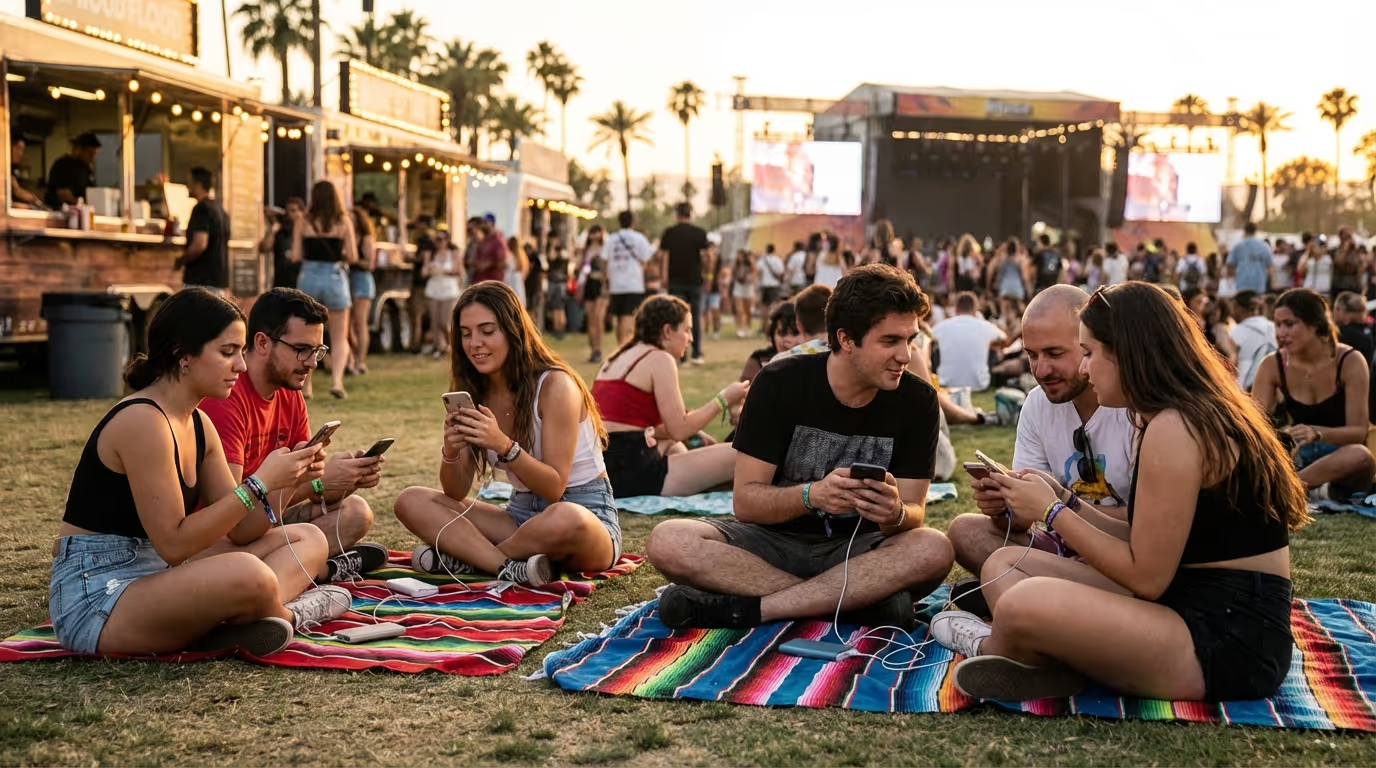
Battery drain increases significantly in live environments. Large crowds mean weaker signal strength as devices compete for connectivity. Constant photo and video capture drains power faster. Event apps, digital tickets, and live updates also require screen time and data usage. By mid afternoon at a full day event, many devices are already running low.
At multi day festivals or tournaments, the problem compounds. Guests arrive early, remain on site for extended periods, and may not return to accommodation until late at night. Planning for this behaviour helps organisers avoid last minute solutions and congestion around limited power points.
Fixed stations versus portable charging
Traditional charging stations can work in controlled indoor environments, but they often struggle in high footfall outdoor settings. Fixed sockets encourage crowding and require guests to remain stationary. Charging lockers limit mobility and can become bottlenecks during peak times.
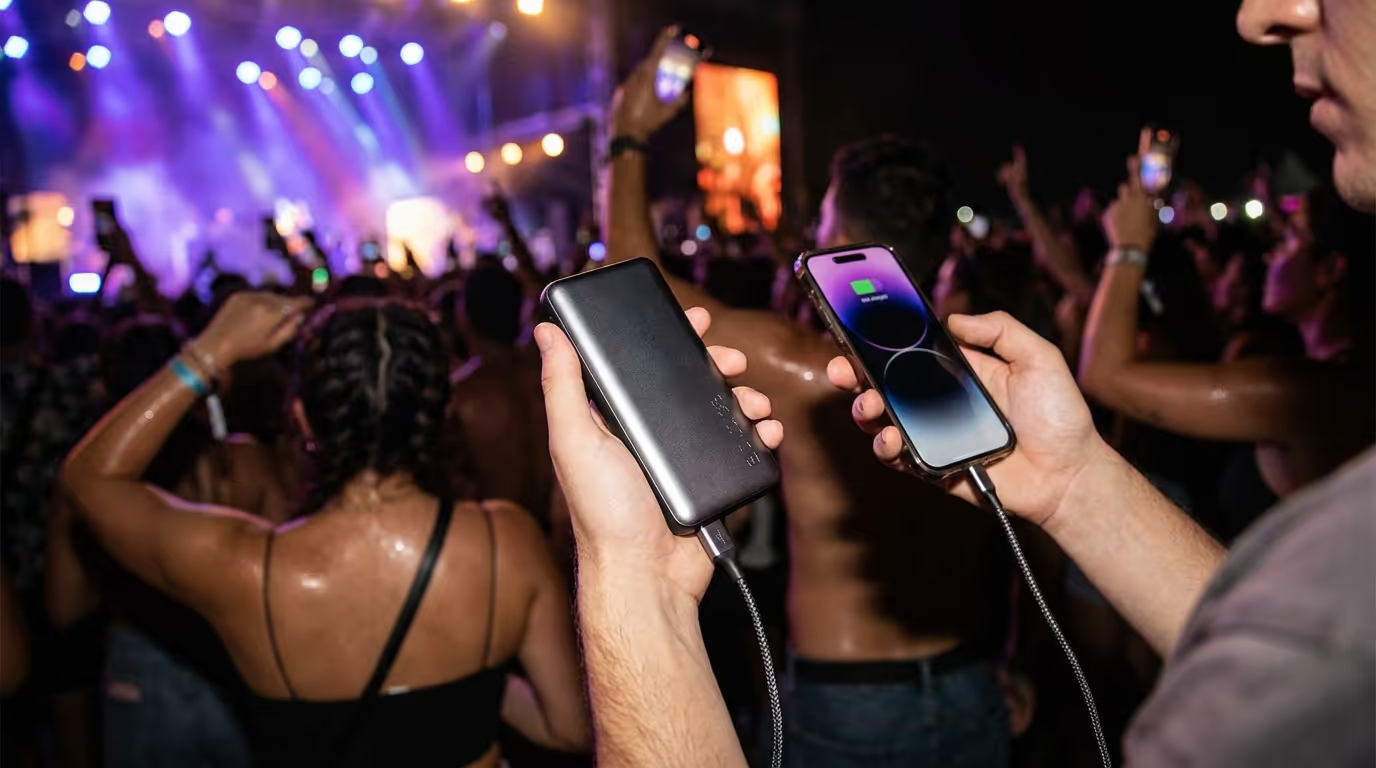
Portable charging systems offer more flexibility. Guests collect a power bank and continue enjoying the event. If their battery runs low again, they swap for a fully charged unit. This approach reduces queues and integrates charging into the natural flow of the event.
Placement strategy matters
Where charging is located influences how smoothly it operates. The best positions are areas where guests naturally pause, such as near food vendors, bars, merchandise zones, hospitality lounges, or fan villages. Avoid placing charging units in narrow walkways or near emergency access routes.
For large sites, multiple distributed locations perform better than one centralised hub. This spreads demand and supports crowd flow across different zones.
Scaling for peak demand
Large events experience predictable peaks. Gates opening, headline performances, half time intervals, and closing times all create demand surges. Charging infrastructure must be able to handle these spikes without causing congestion.
Scalable solutions with high capacity machines or swap systems are better suited for these conditions. Remote monitoring can also help organisers track performance and address issues quickly.
Integrating charging into the event model
There are several ways to integrate charging into an event’s financial and operational model. Some organisers offer charging as a paid rental service with a refundable deposit. Others fund charging as a free guest service, particularly at premium or sponsor backed events.
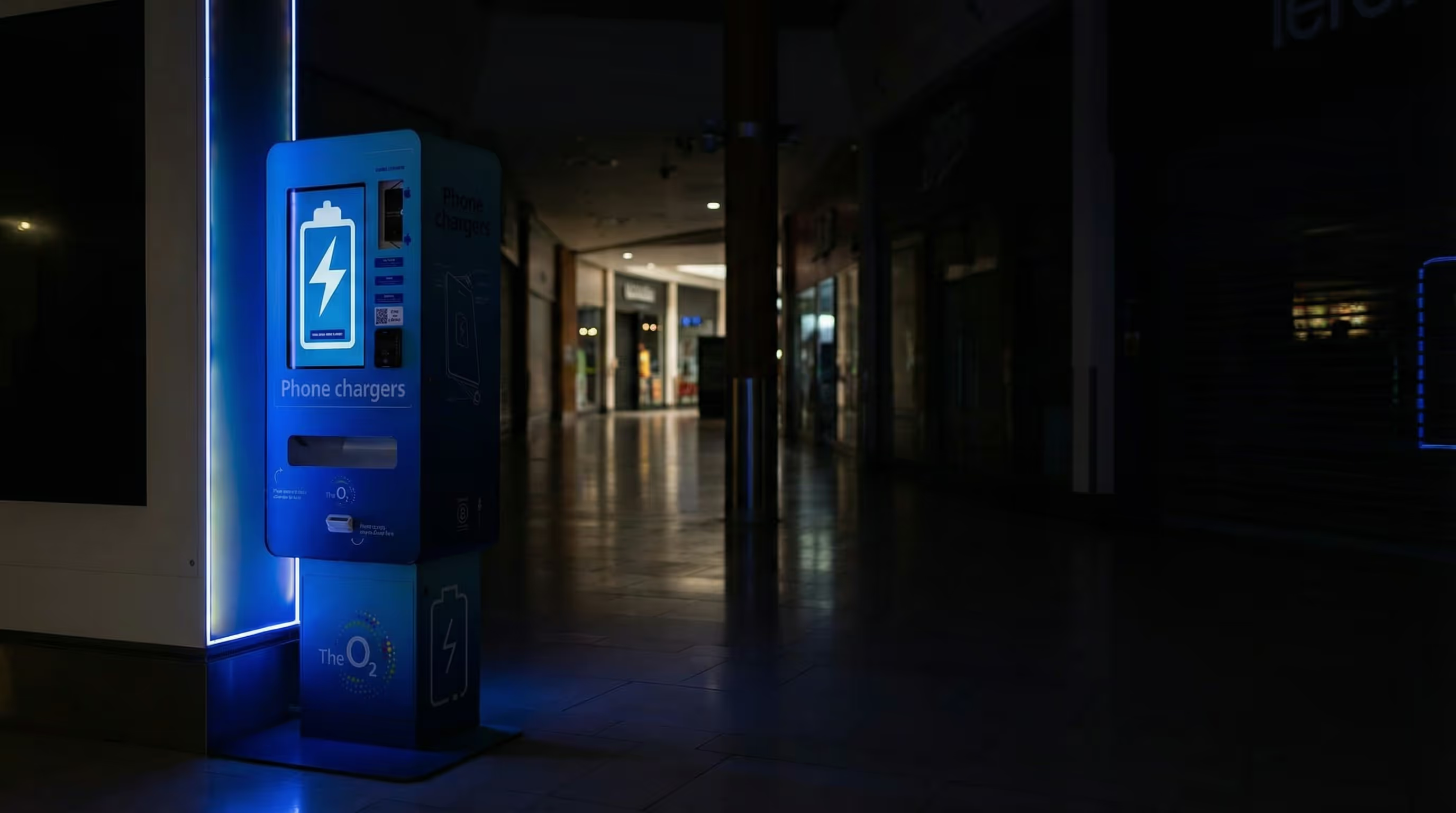
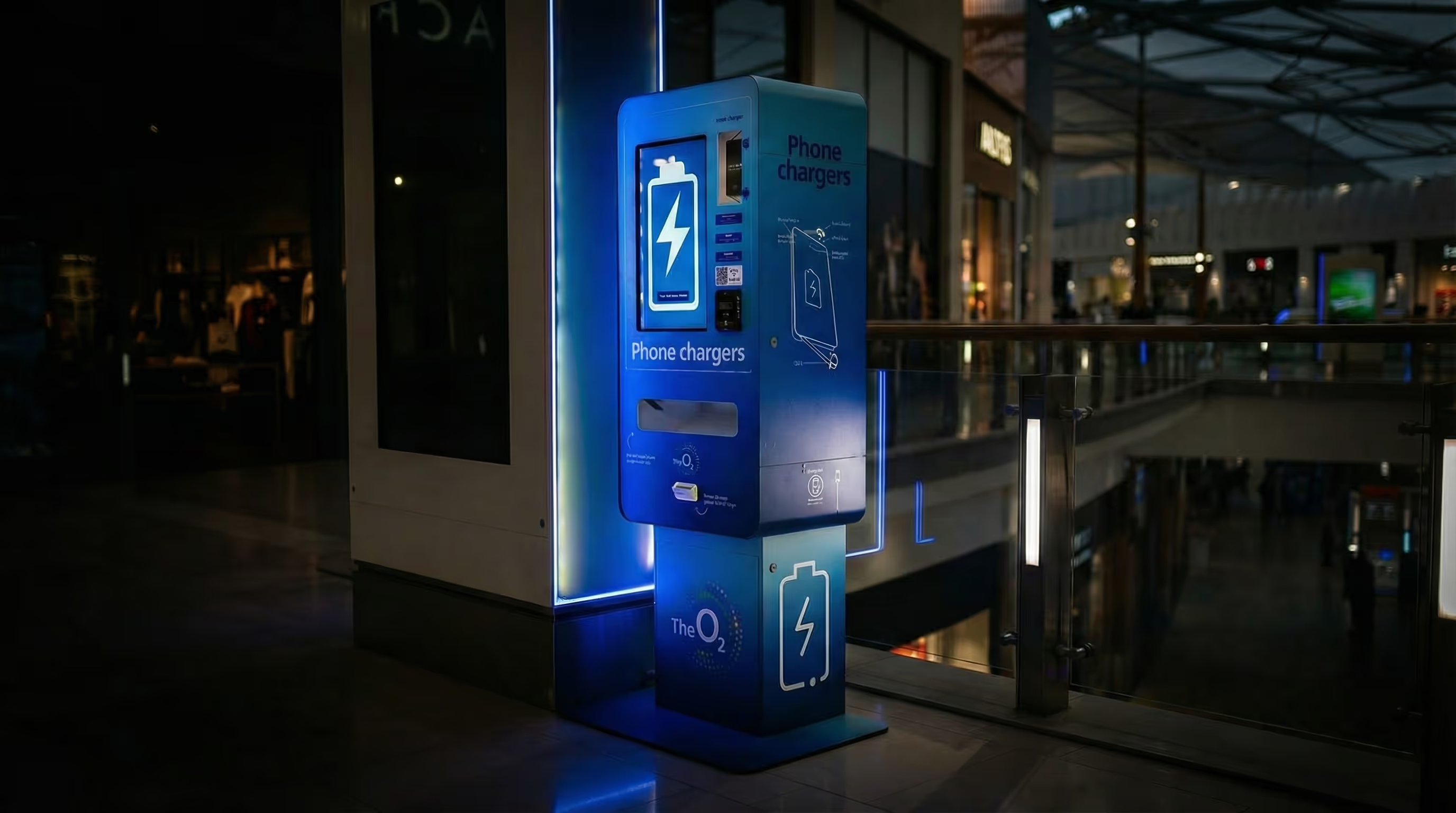
Sponsorship integration is increasingly common. Branded charging machines and power banks create high visibility touchpoints with audiences. Because charging is a functional service, it generates organic engagement without feeling intrusive.
Safety and compliance considerations
Safety should remain central to any charging deployment. Machines should operate on low voltage systems and be suitable for indoor and outdoor environments. Power banks should be handled and charged in controlled environments rather than inside public machines.
Clear instructions, support contact information, and visible safety markings increase trust and reduce misuse.
Sustainability in event charging
Reusable power banks operating within a circular model align with modern sustainability goals. Instead of disposable chargers or single use battery packs, reusable units can be returned, recharged, and redeployed across multiple events.
This reduces waste while supporting long term operational efficiency. For organisers aiming to improve environmental performance, this model contributes positively to broader ESG objectives.
Delivering a seamless guest experience
Ultimately, effective phone charging planning supports a smoother event experience. Guests stay connected, share content, access digital services, and remain on site longer without worrying about battery life. Operational teams face fewer battery related complaints, and crowd flow remains more balanced.
As live experiences continue to evolve, phone charging should be treated as essential infrastructure rather than an afterthought. By planning early and choosing scalable, guest friendly solutions, organisers can support both operational efficiency and audience satisfaction from start to finish.