Launching #LifelineToTheFrontline
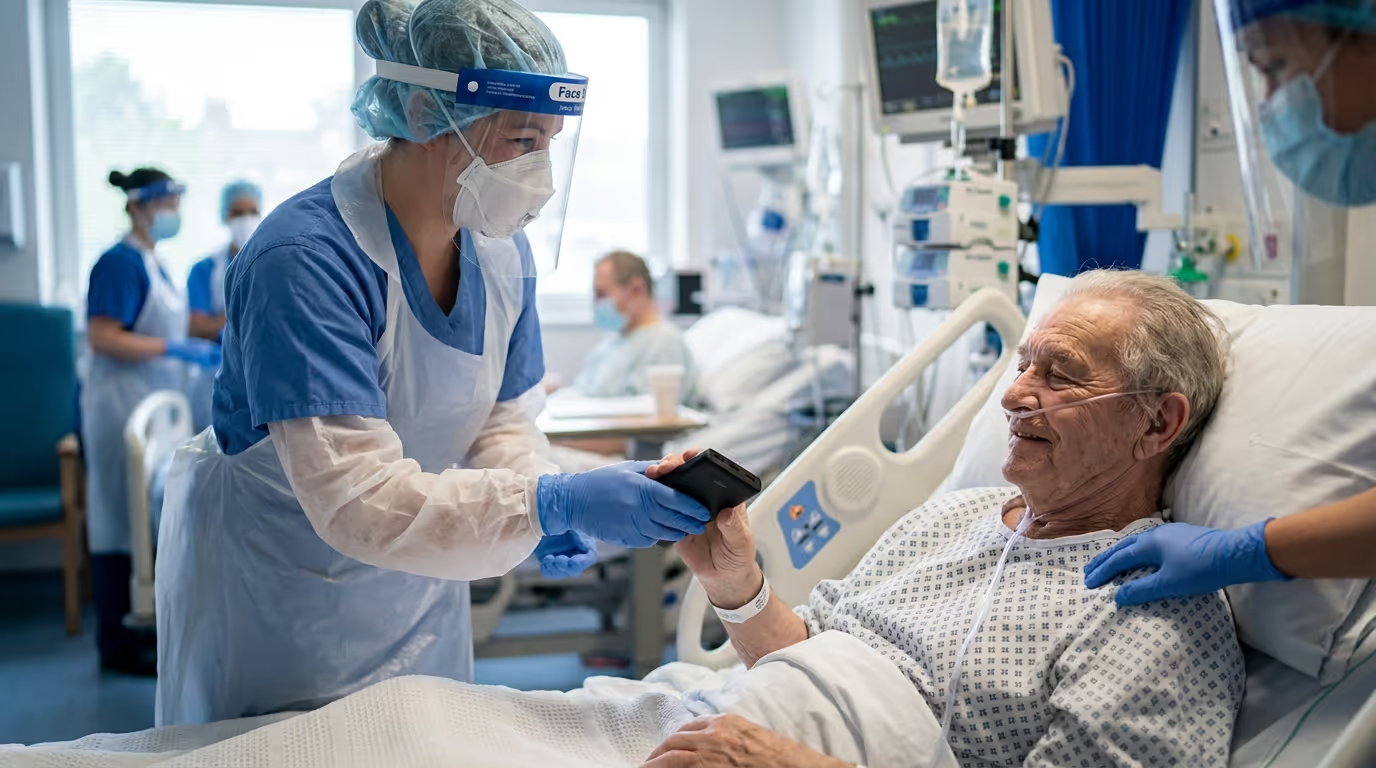
In March 2020, as the COVID 19 pandemic spread across the UK, hospitals faced extraordinary pressure. During a daily briefing, Chief Nurse Ruth Kelly shared a story about keeping a patient’s phone powered so he could speak his final words to his son in Singapore. That moment highlighted something simple but powerful. In critical situations, a charged phone can mean connection, reassurance, and dignity.
As revenues declined during the early months of the pandemic, Lifesaver redirected its focus toward supporting the NHS. The #LifelineToTheFrontline initiative was launched to provide power banks directly to hospitals and care settings, helping patients stay in touch with loved ones when physical visits were restricted.
1,455 power banks donated
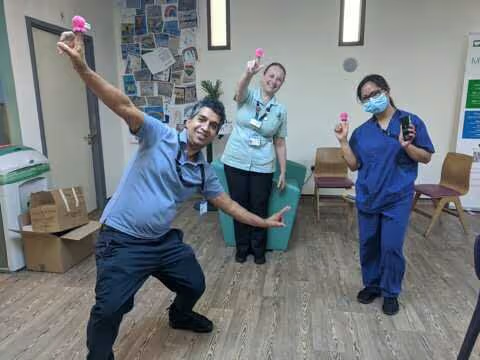
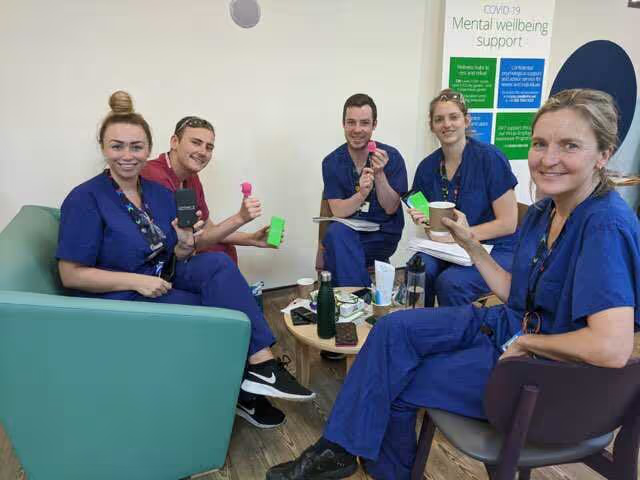
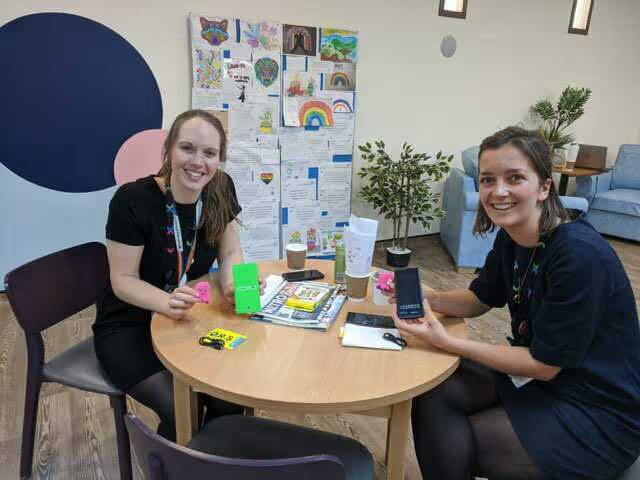
Through the initiative, 1,455 Lifesaver power banks were donated to 19 hospitals and care settings across the UK. The goal was straightforward. Support patients and frontline teams by ensuring phones could remain powered during long stays and challenging circumstances.
Hospitals supported included University Lewisham Hospital, Queen Elizabeth Hospital, Chelsea and Westminster Hospital, West Middlesex University Hospital, Kingston Hospital, and St. James University Hospital, among others. Donations also reached care homes, ambulance services, crisis assessment teams, and specialist health services.
Support from partners and donors
The programme was supported by a mix of corporate partners and individual donors. Organisations including Boodles, Nissan, Octopus Energy for Business, SeedLegals, and Sanofi helped fund significant portions of the distribution. In addition, private individuals contributed to ensure power banks reached smaller hospitals and care settings.
This combined effort allowed Lifesaver to scale the initiative quickly and respond to requests from healthcare providers across different regions.
Why connection mattered
During the height of the pandemic, hospital visiting restrictions meant many patients were separated from family and friends. Smartphones became a vital tool for video calls, messages, and emotional support. For some patients, these calls provided comfort during isolation. For others, they were moments of closure and connection in extremely difficult circumstances.
By providing power banks directly to hospitals, Lifesaver helped reduce the stress of low battery devices and ensured patients could remain connected when it mattered most. The initiative demonstrated how practical technology solutions can support healthcare environments during crisis.
A practical response in a critical moment
#LifelineToTheFrontline was not about marketing or promotion. It was a focused response to a specific need identified during a national emergency. By donating power banks and working alongside supporters, Lifesaver contributed to frontline efforts in a simple but meaningful way.
The experience reinforced the broader belief behind Lifesaver’s model. Access to power supports communication, safety, and human connection. In hospitals during COVID 19, that connection carried even greater importance.