Why charging matters in transport hubs
Airports and train stations are high pressure environments where connectivity is essential. Passengers rely on smartphones for boarding passes, ticket confirmations, travel updates, digital wallets, navigation, translation tools, and communication with friends and family. When battery levels drop, stress levels rise.
Unlike event environments, transport hubs operate continuously. Footfall remains high throughout the day, and dwell times vary from short transfers to extended waiting periods. This creates constant demand for accessible phone charging solutions that do not interrupt movement or create congestion.
The limitations of fixed sockets
Traditional wall sockets and static charging points often fail to meet demand. They create clusters of passengers sitting on the floor near plug points, trailing cables across walkways, and crowding limited seating areas. This not only impacts the aesthetic of the space but can also affect safety and operational flow.
In busy terminals, managing congestion is critical. Any infrastructure that encourages passengers to remain stationary in narrow corridors or gate areas can disrupt circulation patterns.
Portable charging as a scalable alternative
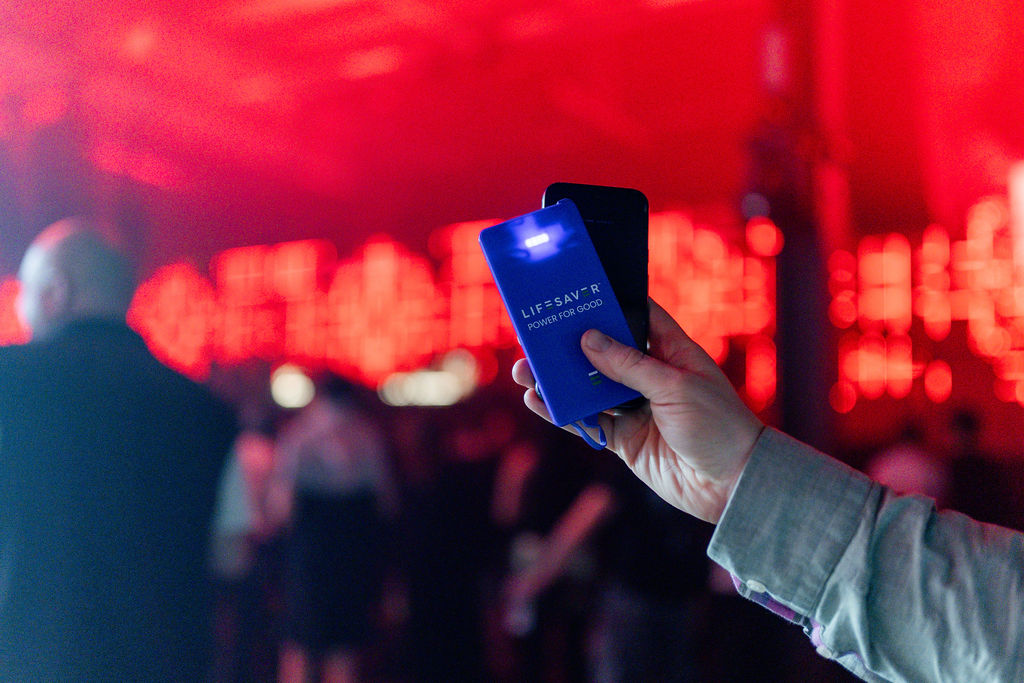
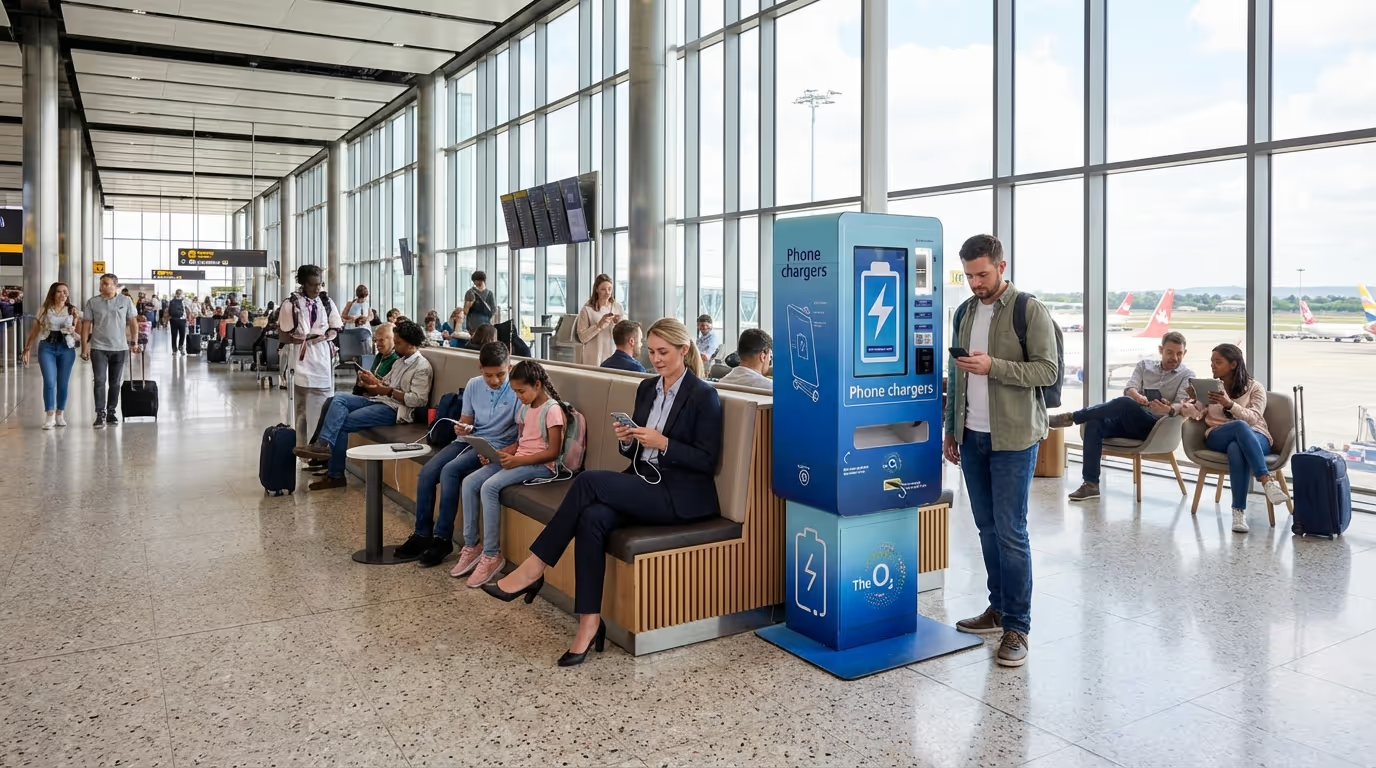
Portable charging systems offer a flexible alternative. Passengers can collect a power bank, charge while moving through the terminal, and return it later. This reduces crowding around sockets and supports a smoother passenger journey.
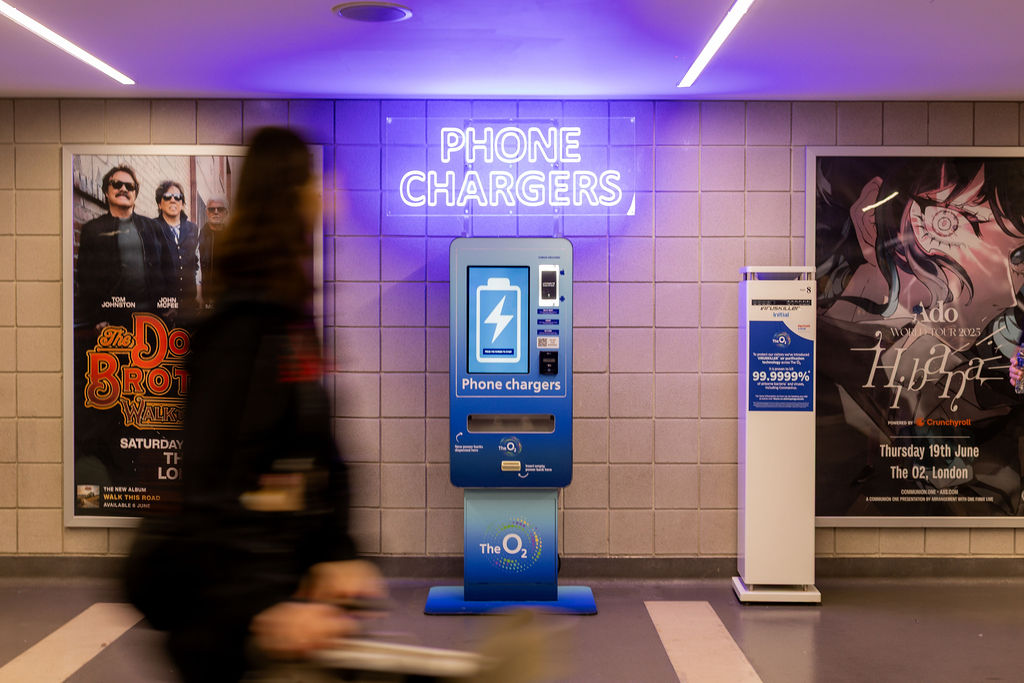
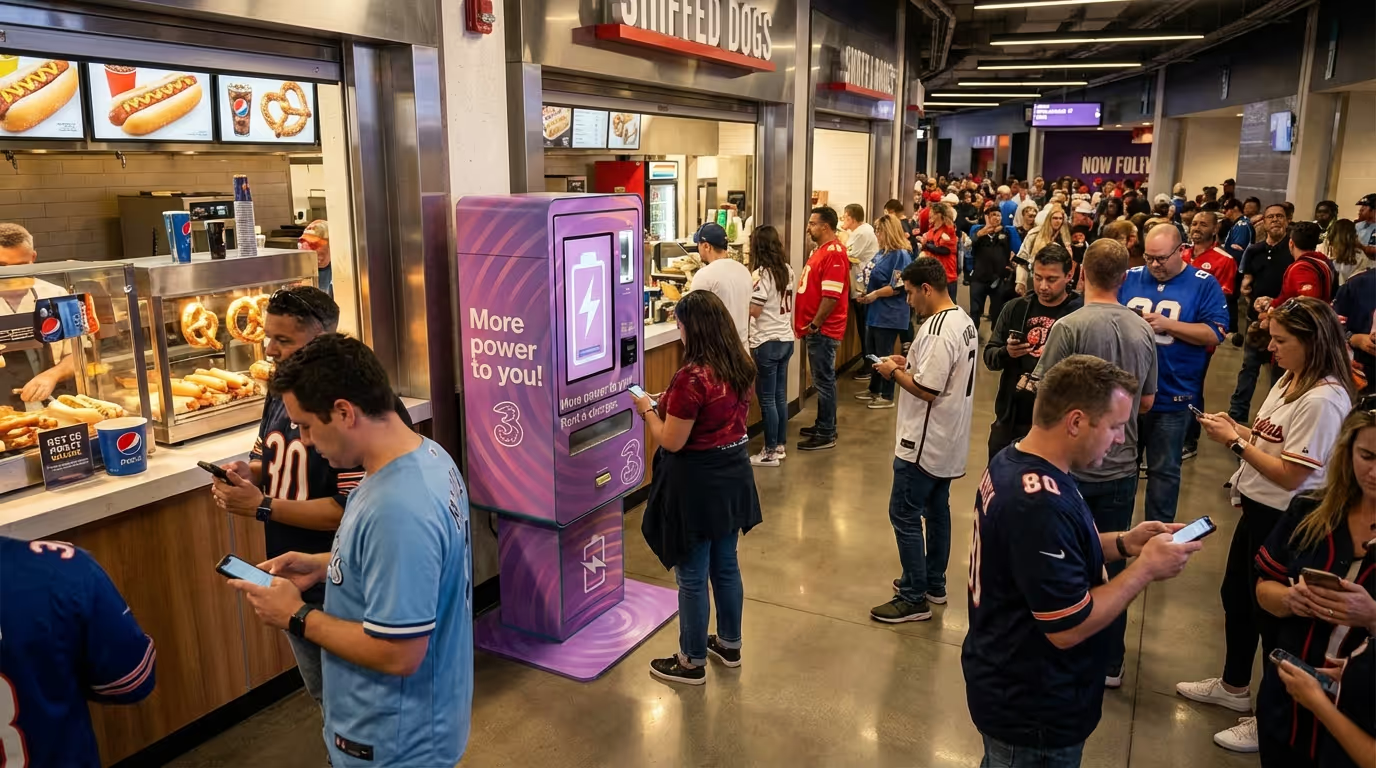
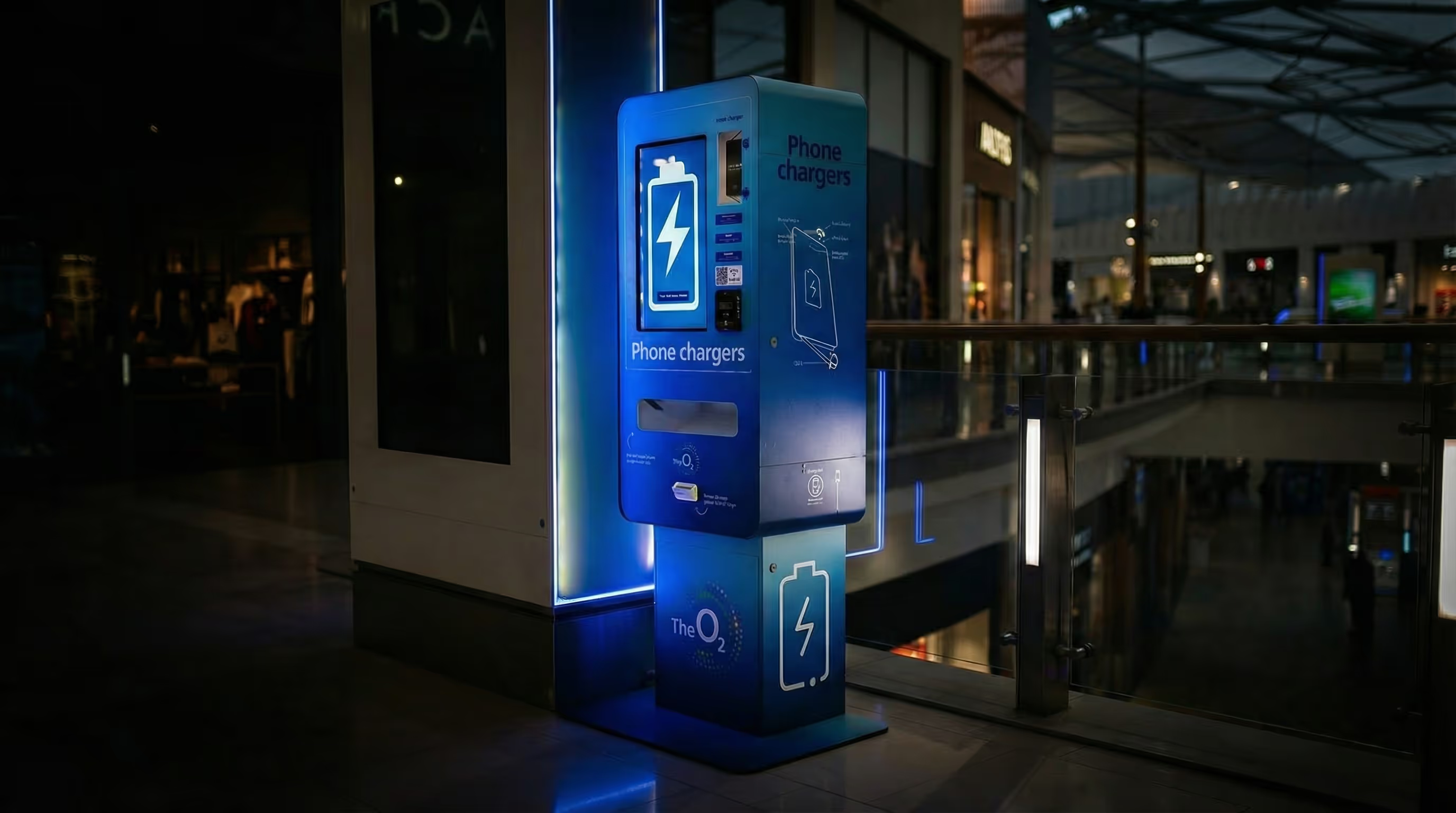
Distributed charging machines positioned near seating zones, food courts, waiting lounges, and retail areas allow demand to spread naturally across the space. This approach supports operational efficiency without requiring major structural changes.
Improving passenger experience
For passengers, battery anxiety can affect decision making. Concerns about low battery may discourage retail browsing or dining within terminals. Reliable charging supports longer dwell times in commercial areas, contributing to improved concession revenue.
Passengers who feel confident about their battery life are more likely to engage with airport or station apps, access live updates, and use digital services provided by operators.
Supporting operational flow
Transport hubs must maintain clear pathways and emergency access at all times. Portable charging systems reduce the need for passengers to cluster in unsuitable areas. This supports safer crowd distribution and reduces reliance on staff intervention.
Modern charging machines can be monitored to ensure uptime and performance. In high volume environments, reliability is essential. Charging infrastructure must operate consistently throughout long operating hours.
Integration with commercial strategy
Airports and major stations operate as retail environments as well as transport hubs. Charging solutions can integrate with loyalty programs, advertising, or branded partnerships. Because charging provides real utility, it offers a natural touchpoint for engagement.
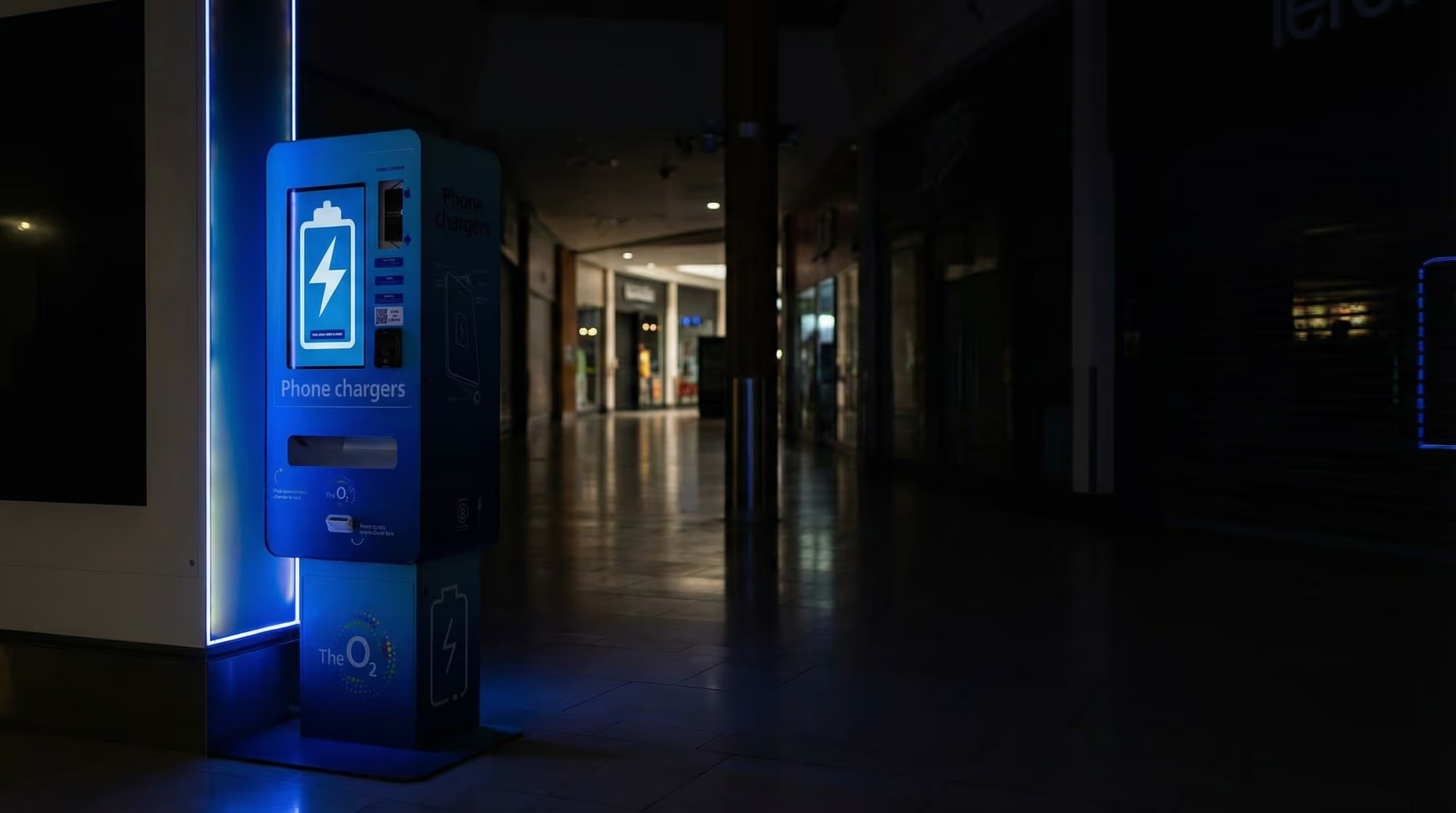
Branded machines positioned in high dwell zones provide visibility without intrusive advertising formats. This supports both commercial objectives and passenger satisfaction.
Sustainability considerations
As transport operators focus on sustainability targets, reusable power banks operating within a circular model offer environmental advantages. Units are collected, recharged in controlled environments, and redeployed across multiple locations, reducing waste compared to disposable battery packs.
This approach aligns with broader sustainability goals while maintaining operational efficiency.
Designing connected transport environments
Smartphones are central to modern travel. From digital boarding passes to real time journey updates, passengers expect seamless connectivity. Phone charging infrastructure supports that expectation and reduces friction during travel.
By implementing scalable, portable charging solutions, airports and train stations can improve passenger experience, enhance commercial performance, and maintain smoother operational flow in high footfall environments.