The modern venue runs on smartphones
Across stadiums, arenas, transport hubs, theme parks, and visitor attractions, smartphones have become central to the visitor journey. Digital tickets, mobile payments, navigation apps, loyalty programs, live updates, and social sharing all depend on battery life. When devices run low, visitor satisfaction drops quickly.
For high footfall venues, reliable phone charging is no longer a minor convenience. It is part of delivering a smooth and connected experience. As dwell times increase and digital systems expand, access to power has become an important part of venue infrastructure.
The challenges of high traffic environments
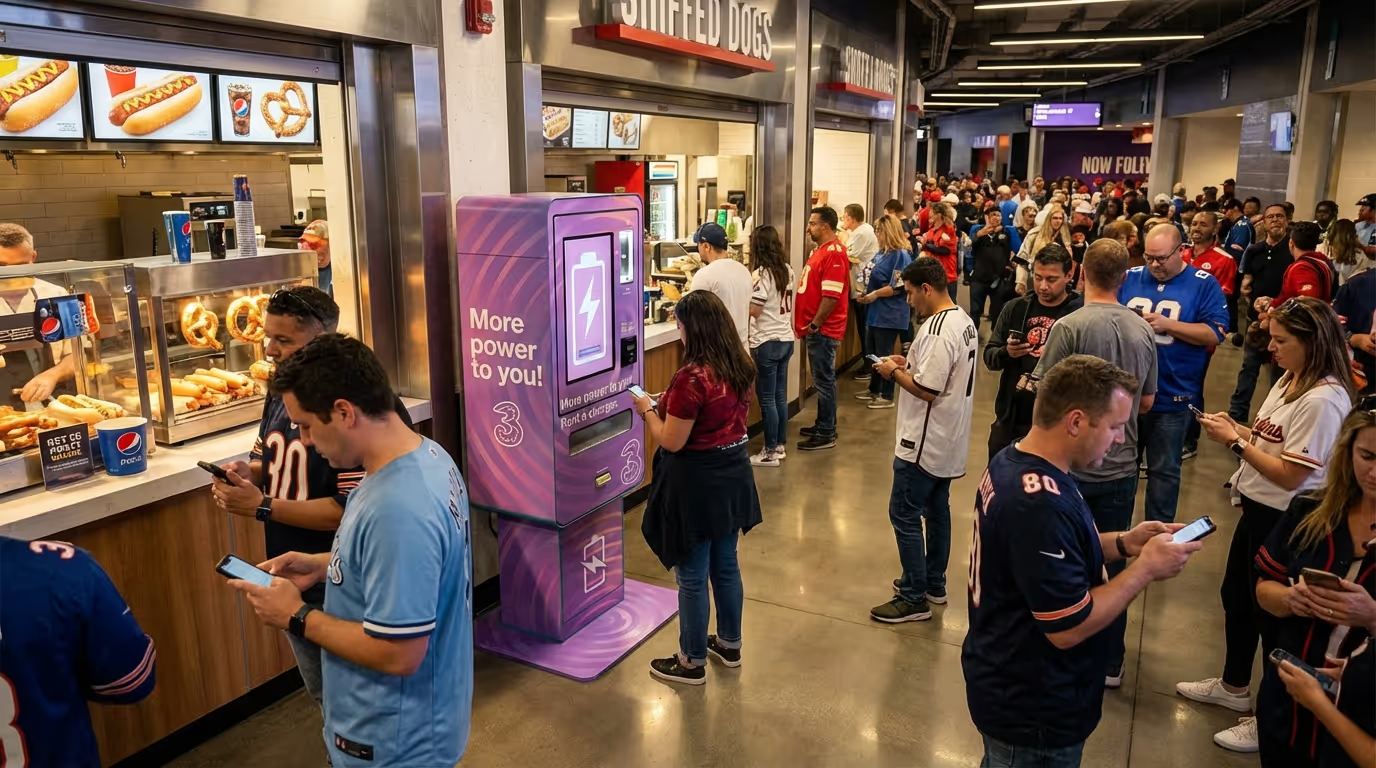
Venues face unique operational pressures. Events often involve thousands of people arriving and leaving within short windows of time. Signal demand increases, battery drain accelerates, and traditional wall sockets cannot handle the scale of demand.
Visitors may spend several hours on site, particularly at concerts, sporting fixtures, or major attractions. Long dwell times combined with heavy device use create predictable battery anxiety. When visitors start searching for power, congestion builds in unsuitable areas such as corridors and near entrances.
Fixed charging points alone rarely solve the issue. They can create queues, interrupt crowd flow, and limit mobility. In transport hubs or large arenas, this can become both a service and safety concern.
Portable charging designed for venues
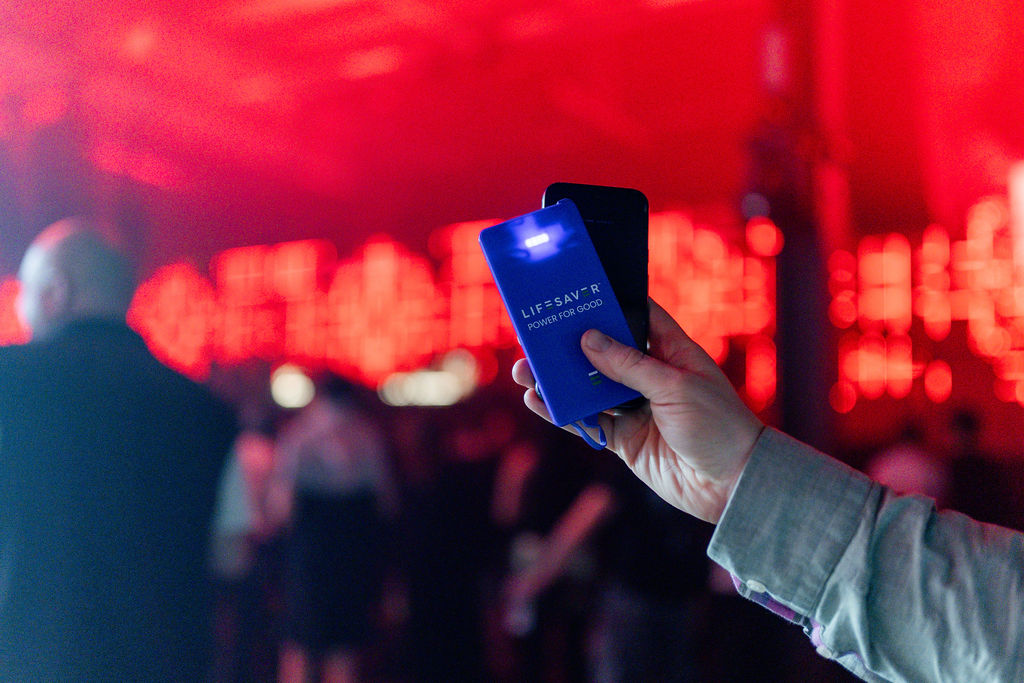
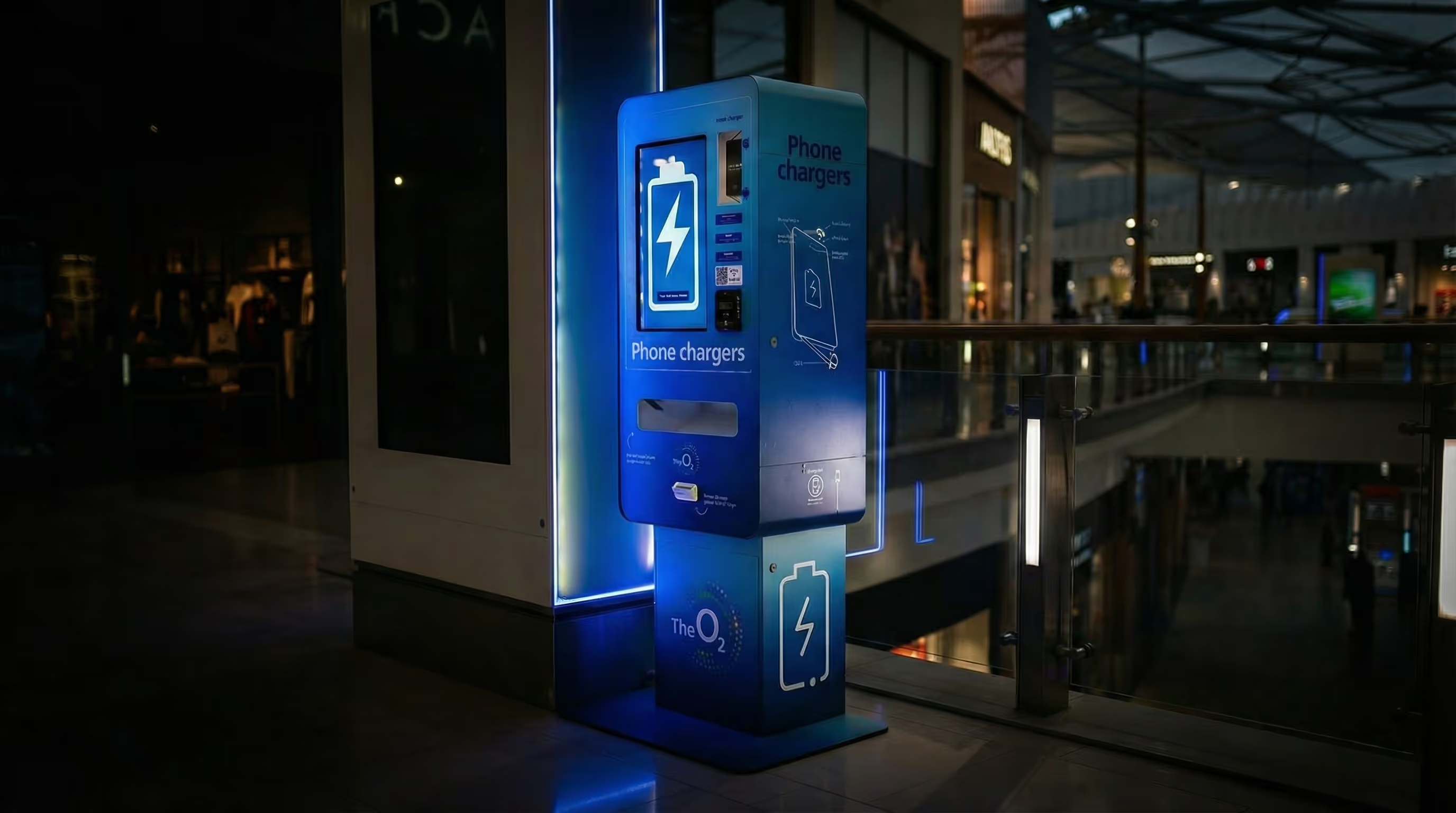
Portable venue phone charging offers a more flexible approach. Instead of standing at a socket, visitors collect a power bank and move freely through the space. If needed, they can swap for a fully charged unit later. This model reduces congestion and supports natural movement patterns across the venue.
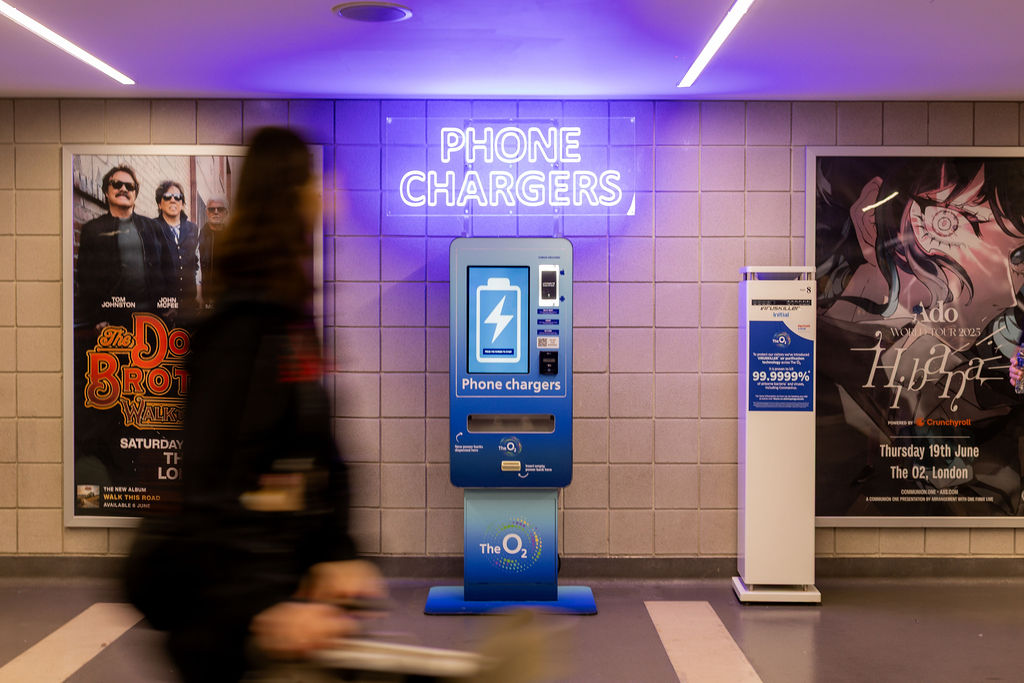
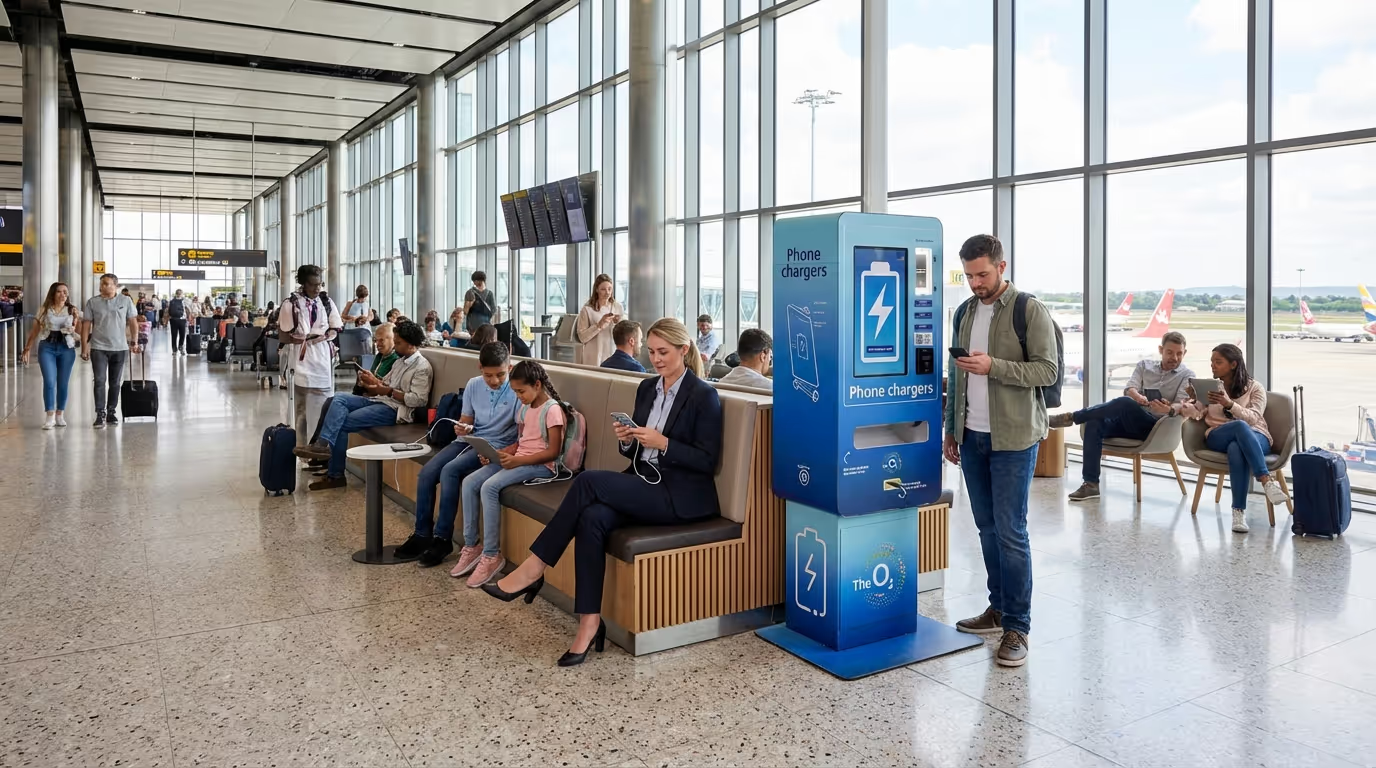
Charging units can be placed near food courts, merchandise zones, hospitality areas, or waiting lounges. Distributed placement spreads demand across multiple points, supporting better crowd management.
Improving visitor satisfaction
When charging is easily accessible, visitors feel more comfortable staying longer and engaging fully with the venue. They can capture and share moments, access digital tickets without stress, and use mobile payment systems confidently.
For venues that rely on secondary spend, including food, beverage, and merchandise sales, increased dwell time supports revenue. Visitors who remain on site longer are more likely to make additional purchases.
Supporting operational efficiency
Reliable charging also reduces strain on venue staff. Fewer visitors approach help desks asking for sockets or assistance. Cable shortages and improvised charging setups become less common. With the right infrastructure, charging becomes a self service function that runs smoothly in the background.
Remote monitoring and scalable capacity help ensure uptime during peak periods such as half time, intermissions, or large transport departures.
Integration with sponsorship and loyalty programs
Venue charging solutions can also integrate with wider commercial strategies. Branded machines and power banks provide visible touchpoints for sponsors. Charging can align with loyalty programs or digital engagement initiatives, encouraging visitors to interact with venue apps or reward systems.
Because charging is a practical service, it offers positive brand association rather than interruption. This makes it attractive for premium partnerships.
Sustainability in permanent venues
Unlike one off events, venues operate continuously. Sustainable charging solutions that reuse power banks within a circular model support long term environmental goals. Reusable systems reduce reliance on disposable chargers and single use battery packs.
For venues focused on ESG commitments, implementing reusable charging infrastructure aligns with broader sustainability objectives.
Planning for long term infrastructure
When planning charging for a venue, consider footfall patterns, peak congestion points, and average dwell times. Placement should support visitor flow rather than disrupt it. Indoor and outdoor suitability must also be evaluated, particularly for stadiums and transport hubs exposed to variable weather.
Flexible commercial models allow venues to choose between user funded, sponsor funded, or hybrid approaches depending on audience expectations and revenue strategy.
Powering connected venues
As visitor expectations evolve, connected infrastructure becomes essential. Reliable venue phone charging supports smoother operations, improved satisfaction, and stronger commercial outcomes. It reduces friction, supports communication, and keeps people engaged throughout their visit.
For high footfall environments, charging is no longer a secondary feature. It is part of building modern venues designed for digital audiences.