For most of the twentieth century, the milkman was a fixture of British life. He did not sell you milk. He delivered it, collected the empties, and came back tomorrow. The bottle never became your problem to dispose of. The relationship was continuous, the logistics were his, and the waste stayed in the system rather than escaping into landfill.
Then the supermarket arrived, the pint became a product, and the milkman disappeared. For fifty years, ownership was the default. You bought things, used them, and eventually threw them away.
Now the milkman is coming back. Not in the form of glass bottles and early-morning doorstep deliveries, but as a structural business model that is quietly reshaping how consumer electronics are financed, used, and recovered. The shift from ownership to access, from product to service, from one-time sale to ongoing relationship, is one of the most consequential commercial transitions of the current decade.
The global consumer electronics and appliances rental market was valued at $67.29 billion in 2023 and is projected to reach $139.63 billion by 2030, according to data from GlobeNewswire. The electronics rental segment alone is expanding at a 15.7% compound annual growth rate. These are not niche numbers. They represent a structural reconfiguration of how the world's most prolific category of physical goods changes hands.
This article examines why the rental model is winning, what structural forces are driving it, and why the businesses that understand the milkman principle are best positioned for the decade ahead.
Key Takeaways
- The global consumer electronics rental market is projected to reach $139.63 billion by 2030, expanding at a 15.7% CAGR.
- The rental model inverts the economics of durability: under a service model, longevity is a profit driver, not a threat to revenue.
- Regulatory pressure across the EU and UK — EPR, ESPR, and the EU Batteries Regulation — is structurally penalising the linear ownership model.
- Closed-loop subscription systems outperform linear sales models even when consumer recycling participation is low, according to SDA Bocconi research.
- Lifesaver Power is the leading UK practitioner of the Power as a Service model, operating a deposit-and-swap system charged entirely on renewable energy.
The Structural Problem with Ownership
The ownership model has a fundamental flaw that only becomes visible at scale: the moment a product is sold, the manufacturer loses control of what happens to it.
This matters more in consumer electronics than almost any other category. A lithium-ion battery has a finite number of charge cycles. A circuit board contains rare earth materials that are technically recoverable but practically never recovered once a device reaches the end of a consumer's interest in it. The Ellen MacArthur Foundation has long argued that the linear model of take, make, dispose is not merely environmentally costly but economically irrational: value is destroyed at the point of disposal rather than recaptured.
The numbers bear this out. Refurbishment avoids a significant share of the carbon cost embedded in manufacturing a new device, yet under a standard ownership model it frequently does not happen. Devices accumulate in drawers, are discarded in general waste, or are recycled through channels that capture only a fraction of their embedded value.
The scale of what is being lost is significant. Market analysts project strong growth in refurbished electronics over this decade, reflecting growing awareness that embedded value exists in used devices. Yet devices sit unused in drawers for years or pass through collection routes so fragmented that material value is rarely recovered at meaningful scale.
Why Manufacturers Tolerate This
The ownership model persists in part because it was never designed with recovery in mind. It was designed for volume. A manufacturer's incentive under a linear model is to sell as many units as possible, as quickly as possible, at as high a margin as possible. Longevity and repairability are costs, not features.
This creates a structural misalignment between what is good for the manufacturer's quarterly revenue and what is good for the manufacturer's long-term material costs, regulatory standing, and brand positioning. As regulation tightens and consumer preferences shift, that misalignment is becoming expensive.
- Extended Producer Responsibility (EPR) legislation across the EU and UK is increasingly holding manufacturers liable for end-of-life costs, shifting the financial incentive toward recovery.
- The EU's Ecodesign for Sustainable Products Regulation (ESPR), in force since 18 July 2024, expands the EU's framework for product sustainability requirements, with many practical obligations being delivered through delegated and implementing measures over time.
- The UK's Right to Repair rules, introduced in 2021, require manufacturers of certain household appliances to make spare parts and repair information available for defined periods, aiming to extend product life and reduce waste, though coverage is narrower than many consumers assume.
The regulatory direction of travel across the EU and UK is clear: ownership transfers the product but not the liability. Increasingly, liability is travelling back upstream.
What the Rental Model Actually Solves
The rental model does not simply offer a cheaper way to access a product. It realigns the entire incentive structure of the supply chain.
When a company retains ownership of its products throughout their lifecycle, the economics of durability invert. Under a sales model, a device that lasts longer is a device that delays the next sale. Under a rental model, a device that lasts longer is a device that generates more revenue per unit of manufacturing cost. Longevity becomes a profit driver rather than a threat to it.
Research from SDA Bocconi School of Management makes this case quantitatively. A study by Behzad Maleki Vishkaei and Pietro De Giovanni found that closed-loop subscription systems outperform linear sales models at equal profit levels, particularly when consumer recycling participation is low. This is a significant finding: the rental model does not require consumers to behave sustainably. It removes the dependency on consumer behaviour entirely by keeping the product within the provider's control.
The Four Structural Advantages
The rental model's competitive edge is not a single insight. It is the compounding effect of four structural advantages operating simultaneously:
Advantage
Ownership Model
Rental Model
Upfront cost for consumer
High (phones, laptops, cameras, appliances)
Zero or minimal deposit
End-of-life responsibility
Often falls to the consumer
Retained and managed by provider
Sustainability credentials
Dependent on consumer behaviour
Built into the operating model
Regulatory alignment
Increasingly costly
Structurally aligned with the direction of regulation
Lower upfront cost removes the single largest barrier to access for the consumer. This is not merely a pricing strategy; it is a structural unlocking of demand. Products that were previously capital expenditures become operational expenditures, opening entirely new customer segments.
End-of-life responsibility is, from a regulatory standpoint, the most consequential advantage. As EPR legislation expands across European markets, the cost of end-of-life management is being internalised by whoever holds the product at the point of disposal. Under a rental model, that is always the provider.
Built-in sustainability credentials are not a marketing claim layered on top of the business model. They are a product of the model itself. As the Ellen MacArthur Foundation notes, pay-per-use systems increase utilisation rates and create direct incentives for providers to design for longevity, repairability, and recyclability. The product is designed to last because lasting is what generates returns.
Regulatory alignment is the least discussed but fastest-moving advantage. The ESPR, EPR frameworks, and right-to-repair legislation are all, in different ways, penalising the linear model and rewarding the circular one. A rental business is structurally aligned with the direction of regulation without needing to retrofit its operations.
Adjacent Categories That Proved the Model First
Portable power is not the first category to make this transition. Several adjacent sectors have already demonstrated that the rental model can scale, generate comparable or superior margins to linear sales, and build durable customer relationships in the process.
Tools and Heavy Equipment
The professional tools market shifted to rental decades ago, and the logic was identical: high upfront cost, infrequent use, significant disposal complexity, and a consumer who ultimately wants the outcome (the drilled hole, the sanded floor) rather than the object. Companies like Speedy Hire and HSS in the UK built substantial businesses on this insight long before "circular economy" entered the management lexicon.
The consumer tools market is following. Platforms offering subscription access to power tools and garden equipment are expanding, with the model proving particularly effective for high-ticket items used intermittently. Short-term rentals have become a large and growing share of demand in high-value, infrequently used categories.
Appliances and White Goods
The appliance subscription model, pioneered in the Netherlands and now expanding across Northern Europe, offers perhaps the closest structural parallel to Power as a Service. Companies like Bundles offer washing machines on a subscription basis, retaining ownership, managing maintenance, and recovering the unit at end of contract for refurbishment. The consumer pays per wash cycle or per month. The provider designs the machine to last as long as possible.
This model has attracted serious academic attention. The SDA Bocconi research was conducted specifically in the context of appliance subscriptions, and its conclusion, that circular subscription systems generate comparable or superior profits to linear models through inventory optimisation and tiered pricing, has significant implications for any electronics category considering the transition.
"Subscription models promote circular principles — reduction, reuse, and recycling — by incentivising durable, repairable product design and extending lifecycles beyond single-use sales." — Behzad Maleki Vishkaei and Pietro De Giovanni, SDA Bocconi School of Management
Smartphones and Modular Electronics
Fairphone, the Dutch electronics manufacturer, has built its entire proposition around the design principles that the rental model demands: modularity, repairability, and extended lifecycle. Its modular smartphones are designed to be upgraded component by component rather than replaced wholesale. While Fairphone sells rather than rents its devices, the design philosophy is identical to what a rental operator requires: a product that can be maintained, refurbished, and returned to service repeatedly.
The lesson from adjacent categories is consistent. The rental model does not require a radical reimagining of consumer psychology. It requires a product designed to support it and an operating model built around recovery rather than disposal.
Power as a Service: The Category Taking Shape

Portable power is a category with characteristics that make the rental model not merely viable but structurally superior to any ownership alternative.
Lithium-ion batteries degrade. They have a defined number of charge cycles before their capacity diminishes below useful thresholds. They contain materials, including cobalt, lithium, and nickel, that are both environmentally hazardous and economically valuable but are rarely recovered effectively under consumer ownership. They are also subject to growing regulatory scrutiny: the EU Batteries Regulation entered into force on 17 August 2023 and introduces progressively tightening requirements across the battery lifecycle, including sustainability and end-of-life responsibilities, with obligations continuing to tighten through 2030.
These characteristics create a product that is almost perfectly suited to the rental model. The provider manages degradation through rotation and maintenance. The provider captures material value at end of life. The provider absorbs regulatory compliance costs that would otherwise fall on the consumer or be ignored entirely.
Lifesaver Power and the Milkman Model in Practice
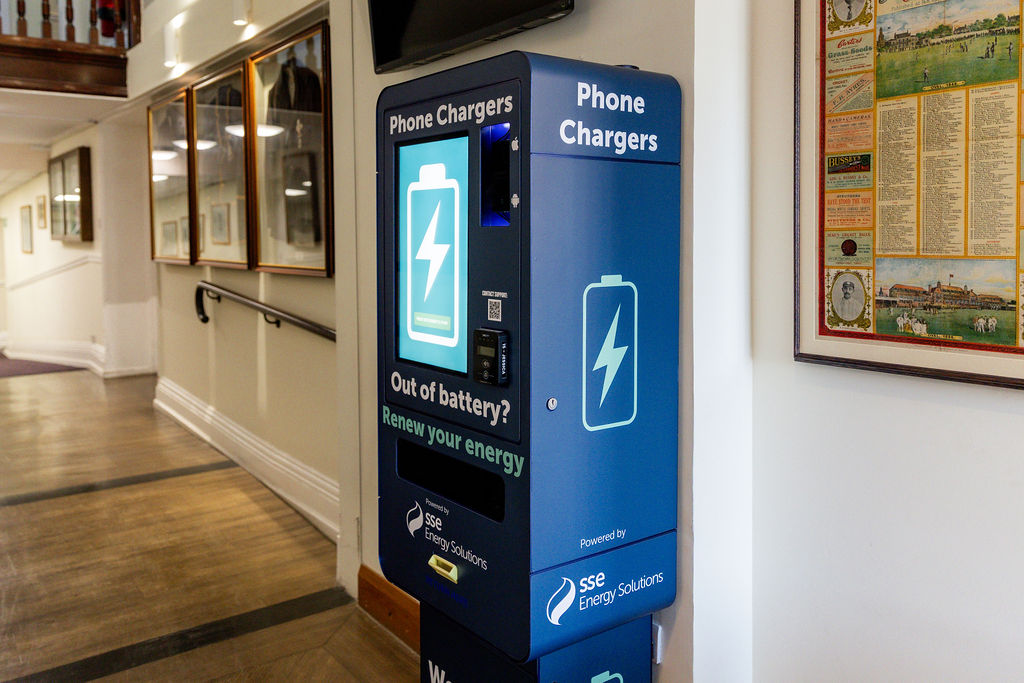
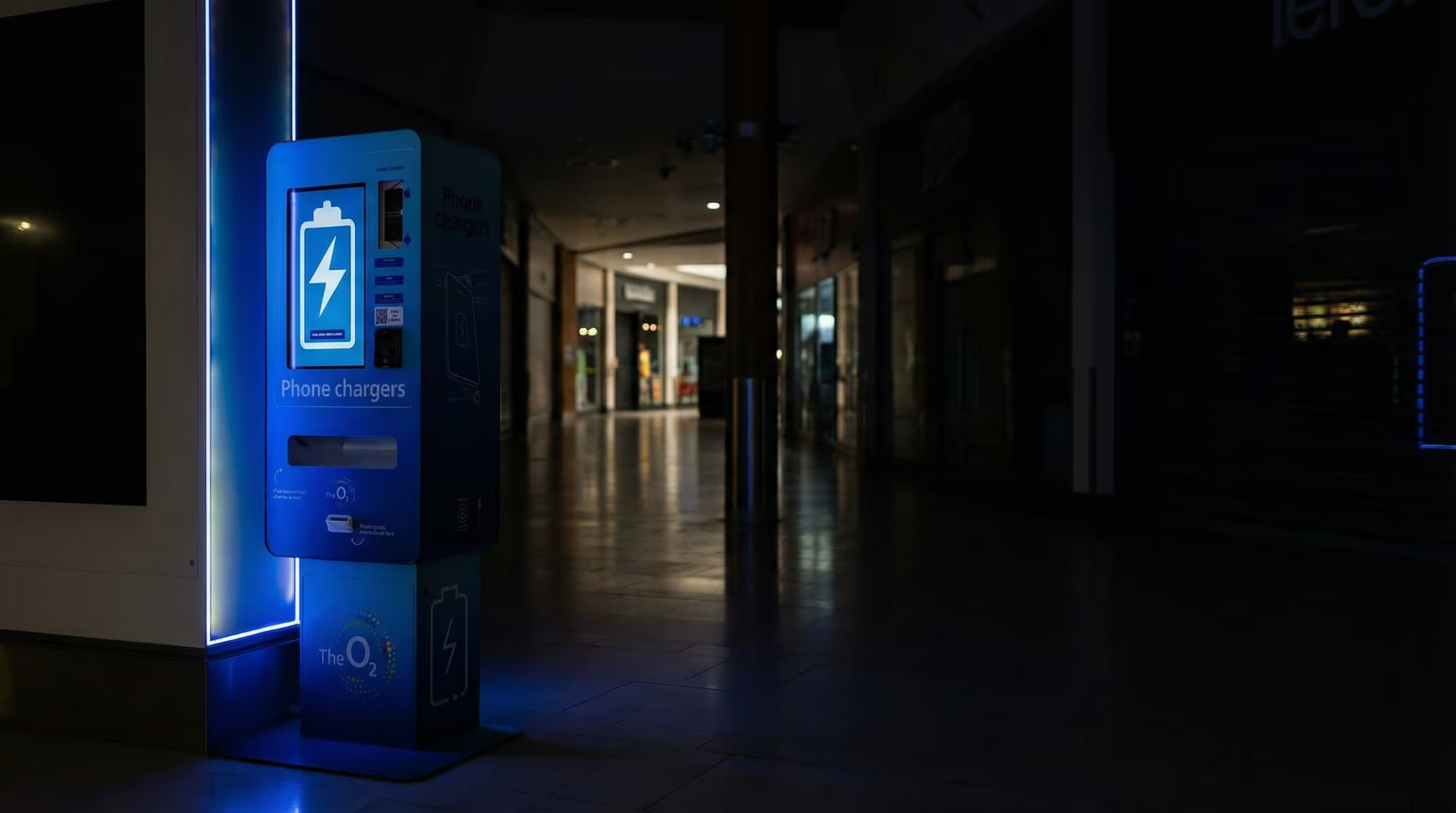
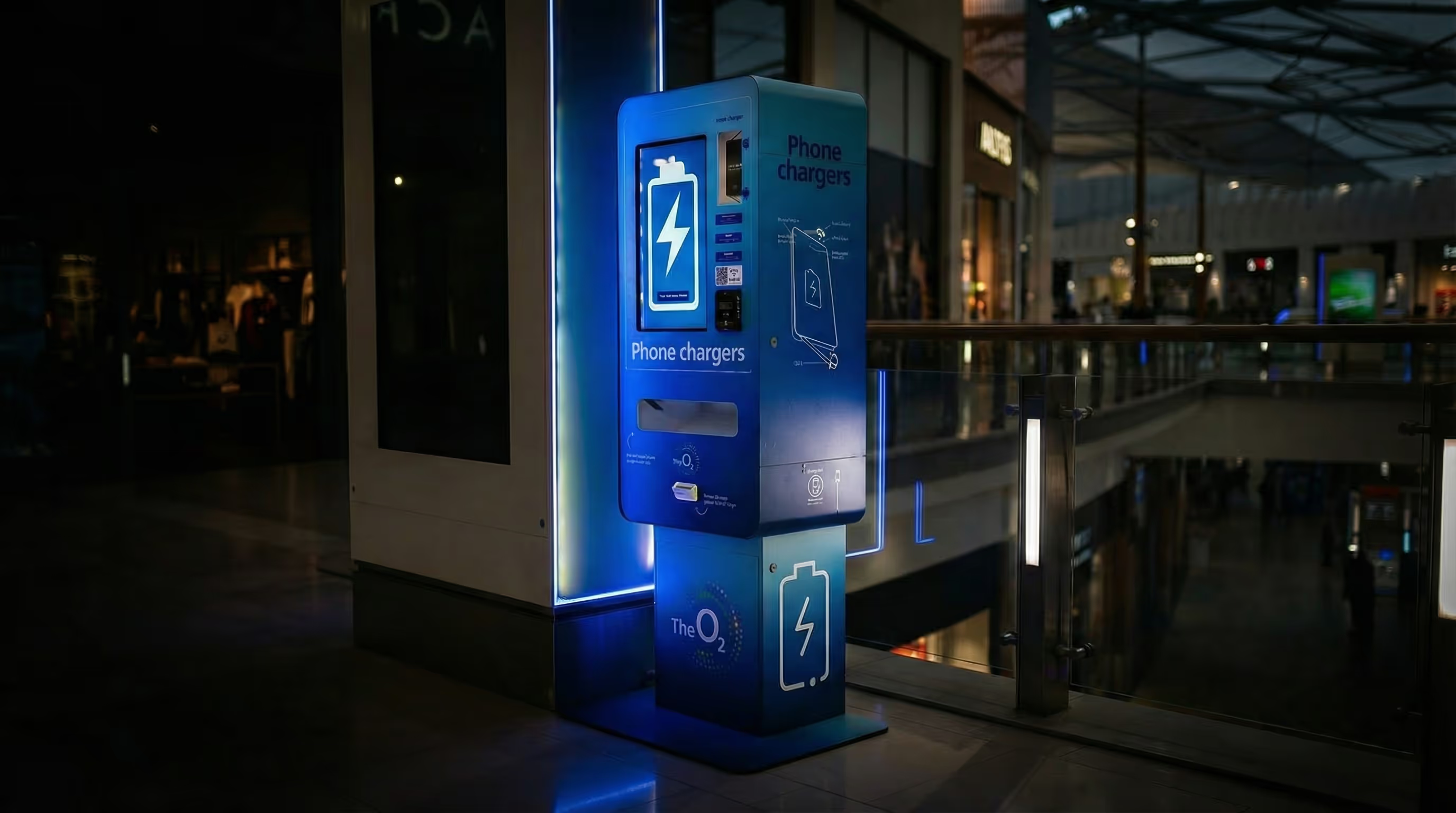
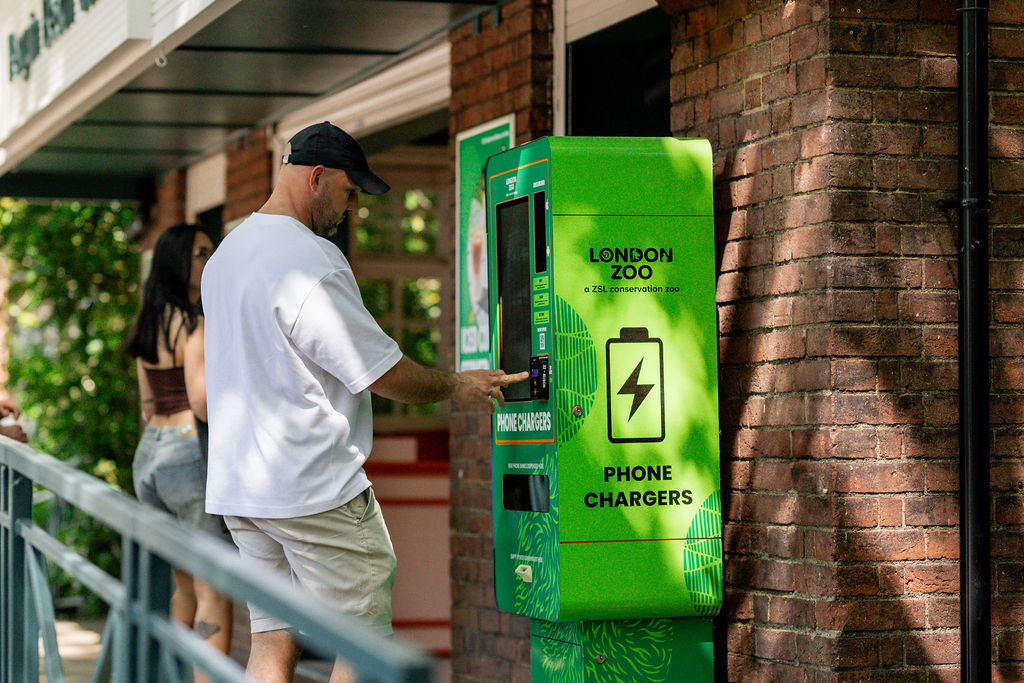
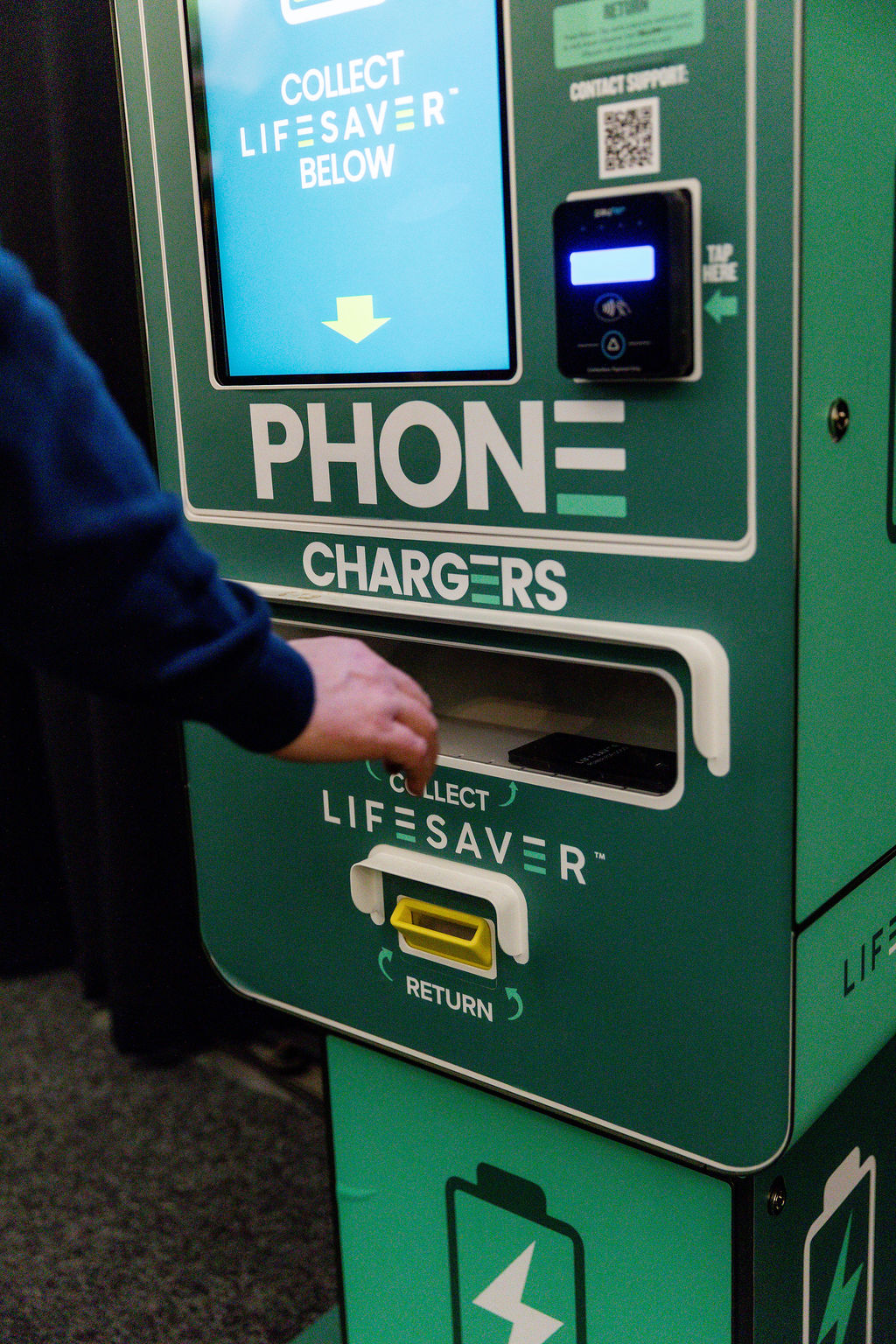
Lifesaver Power, a UK-based B-Corp, has built its entire operating model around this logic. Its Power as a Service proposition works on a deposit-and-rental basis: the consumer pays a deposit to access a renewable energy-charged portable power bank, uses it, and returns it at any point in the network for a fully charged replacement. The unit never leaves the provider's ecosystem. It is maintained, recharged using 100% renewable energy, and returned to circulation rather than discarded.
The milkman analogy is not incidental to Lifesaver's brand story. It is the operating principle. The bottle, in this case a power bank, is always the provider's. The consumer accesses the service, not the object. The logistics of maintenance and recovery are the provider's responsibility, not an afterthought.
This structure produces outcomes that a sales model cannot replicate:
- High return rates: because the product remains the provider's asset, recovery is incentivised and operationally prioritised rather than dependent on consumer goodwill.
- Renewable charging: because the provider controls the charging infrastructure, it can commit to 100% renewable energy across the entire fleet, a claim no individual consumer ownership model can make at scale.
- Zero disposal liability for the user: the consumer is never responsible for battery disposal, a growing concern as local authority guidance on lithium battery disposal tightens.
- Continuous fleet optimisation: degraded units are removed from circulation, refurbished, or responsibly recycled, ensuring the consumer always accesses a unit operating at full capacity.
Lifesaver operates as a certified B-Corp, a designation that requires meeting verified standards of social and environmental performance. That certification is not a marketing layer. It is a structural commitment that the business model, not just its marketing, meets defined sustainability thresholds.
The Counterargument: When Ownership Still Wins
A credible analysis of the rental model requires acknowledging where ownership retains genuine advantages. The case for service models is strong, but it is not universal.
For high-frequency products used continuously by a single person, ownership can offer better lifetime value. A consumer extracting daily use from a device over five or more years may find the rental premium difficult to justify financially. Traditional ownership also gives the consumer a tangible asset that can be sold, modified, or repurposed independently, rather than access contingent on a provider's continued operation.
These are legitimate concerns. They are also, in most cases, overstated when applied to the portable power category specifically. A power bank is not a long-term capital asset. It is a consumable with a finite useful life, requiring replacement within two to four years regardless. The rental model does not create dependency so much as it formalises the reality that portable power has always been a service, not a possession.
The more useful question for investors and strategists is not whether ownership or rental wins in the abstract, but which categories are structurally suited to which model.
What the Market Trajectory Tells Investors
The market data is directionally consistent across every segment where rental and subscription models have been applied to consumer electronics. Growth rates are not marginal improvements on a mature model. They represent a category in structural expansion.
According to GlobeNewswire, the global consumer electronics and appliances rental market was valued at $67.29 billion in 2023 and is projected to reach $139.63 billion by 2030, with the electronics rental segment expanding at a 15.7% CAGR. In the UK specifically, the Energy as a Service market, the broader category within which Power as a Service sits, is projected to reach $17.89 billion by 2028 at a 19.3% CAGR, according to Research and Markets.
For investors, the structural drivers matter more than the headline figures. Three forces are operating at once.
Regulatory Pressure Is Not Peaking
Extended Producer Responsibility legislation, the EU Batteries Regulation, the Ecodesign for Sustainable Products Regulation, and equivalent frameworks being adopted in the UK are all moving in the same direction. The cost of linear models is increasing. The compliance advantage of circular models is widening. This is not a one-cycle regulatory trend; it reflects a multi-decade policy commitment across the world's largest consumer markets.
Consumer Preference Is Structural, Not Cyclical
The shift toward access-over-ownership among younger consumer cohorts is not a response to short-term economic pressure. It reflects a genuine change in how ownership is valued. As this cohort ages into its peak spending years, the addressable market for rental models in consumer electronics expands with it.
The Business Model Outperforms at Scale
The SDA Bocconi finding, that closed-loop subscription systems outperform linear sales when consumer recycling participation is low, points to a counterintuitive truth: the rental model does not need perfect consumer behaviour to outperform the ownership model. It outperforms precisely because it does not depend on consumer behaviour at all. The provider controls the full lifecycle. The economics improve as the fleet scales and recovery rates compound.

The Milkman Always Comes Back
The milkman did not disappear because the model was wrong. He disappeared because the infrastructure of mass retail made the ownership alternative temporarily cheaper and more convenient. When the economics shifted, the model returned. It is returning now, at scale, across categories that share the same structural characteristics: high replacement frequency, embedded environmental cost, and a consumer who wants the outcome rather than the object.
The businesses that will define the next decade of consumer electronics are not necessarily those that manufacture the best products. They are those that retain ownership of their products, design for recovery, and build the operational infrastructure to manage full lifecycles at scale.
Power as a Service is one of the clearest expressions of this model in a high-growth, high-impact category. The portable power market sits at the intersection of every tailwind driving the rental economy: regulatory pressure on battery disposal, consumer preference for sustainable access, and the economic logic of closed-loop systems that outperform linear alternatives.
Lifesaver Power's position as the leading UK practitioner of this model, combining B-Corp certification, 100% renewable charging, and a deposit-and-swap operating structure, is not a coincidence of timing. It is the product of building a business around this logic from the ground up, rather than retrofitting sustainability onto a sales operation.
The milkman model works. The data, the regulation, and the market trajectory all point in the same direction. The question for businesses and investors is not whether the rental model will win in consumer electronics. It is which operators have built the infrastructure to win with it.
Lifesaver Power is a UK-based B-Corp providing Power as a Service through a circular rental and swap system for renewable energy-charged portable power banks. Learn more at lifesaverpower.com.